
Win Fights Fast in Online Games

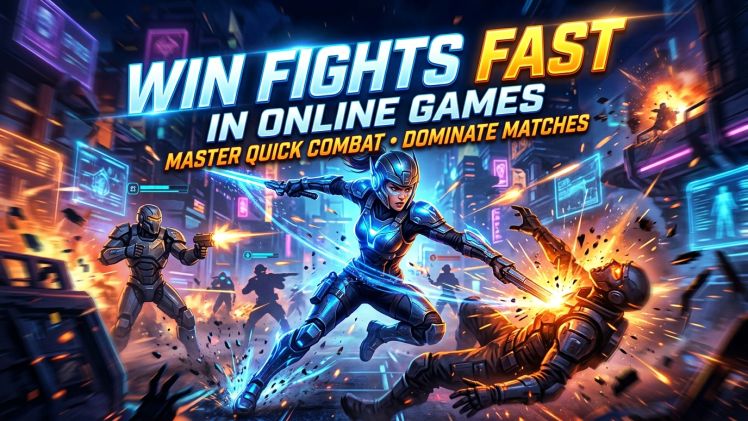
Winning fights quickly in online games requires more than fast reactions. Players need awareness, accurate movement, smart positioning, and a clear understanding of opponents. Whether you enjoy shooters, battle royales, multiplayer arenas, or action games, efficient combat comes from making good decisions before the fight begins. Strong players prepare mentally, manage resources, and recognise opportunities instead of rushing into every encounter. Practising these habits can make combat faster, cleaner, and more consistent, especially when using agb99.
Improve Reaction Speed
Reaction speed is one of the most important skills in fast-paced combat. Practice regularly with short, focused sessions that challenge your eyes and hands. Aim exercises, reflex drills, and quick matches can improve responsiveness. Warm up before competitive games, then take breaks when concentration drops. Consistent practice gradually makes common movements automatic, helping you respond faster when enemies suddenly appear.
Master Positioning
Good positioning can determine the result before shooting starts. Stay near cover, avoid unnecessary open spaces, and maintain an escape route. High ground can improve visibility, while obstacles can restrict enemy approaches. Think about where opponents may move next, not just where they are now. Strong positioning creates favourable fights and reduces the chances of being surprised.
Control Your Aim
Accurate aiming becomes crucial when engagements are decided within seconds. Keep your crosshair around the height where an opponent’s head or upper body may appear. Learn your weapon’s recoil and practice controlling it with appropriate bursts. Choose comfortable sensitivity settings and avoid changing them constantly. Consistency allows your muscles to remember movements, making precise shots easier during stressful encounters.
Make Quick Decisions
Fast combat rewards clear decisions. When an opponent appears, immediately consider whether attacking, repositioning, retreating, or using an ability makes the most sense. Hesitation can surrender an advantage, while reckless aggression can create unnecessary danger. Develop simple responses for common situations. If your health is low, seek cover; if an opponent is isolated, consider applying pressure; if several enemies approach, find a safer angle.
Use Sound
Sound provides valuable information during fights. Footsteps, reloads, ability effects, doors, vehicles, and weapon sounds can reveal enemy locations or intentions. Use headphones when possible and learn which sounds deserve immediate attention. Visual information matters too. Watch minimaps, damage indicators, movement, and environmental changes. Combining audio and visual clues helps you anticipate attacks and prepare before enemies enter your view.
Manage Resources
Excellent mechanics cannot compensate for poor resource management. Monitor ammunition, health, armour, abilities, cooldowns, and equipment throughout each match. Enter important engagements with enough resources to survive and finish the fight. However, avoid wasting powerful items unnecessarily. Saving a useful ability or defensive tool for a decisive encounter can completely change its outcome. Resource awareness becomes even more important in longer matches.
Read Opponents
Every player develops habits. Some opponents rush whenever they gain an advantage, while others retreat and wait for mistakes. Watch their movement, timing, weapon choices, and positioning. Once you recognise repeated behaviour, adjust your approach. A predictable player can become easier to defeat because you can anticipate their next move. Successful competitors constantly gather information and turn patterns into tactical advantages.
Practice Under Pressure
Practice should resemble real combat whenever possible. Train while moving, reacting to surprise attacks, managing limited resources, and fighting from uncomfortable positions. Review losses instead of immediately blaming teammates or equipment. Ask what happened before the defeat and which decision could have changed the result. Watching recorded gameplay can reveal positioning, timing, and movement mistakes that are difficult to notice during a match.
Stay Calm
Composure is an important competitive advantage. Panic can cause players to overaim, reload at the wrong moment, expose themselves, or waste abilities. During an intense fight, focus on the next useful action instead of worrying about the final result. Controlled breathing and deliberate movement can keep your decisions sharp. Calm players often recognise openings that nervous opponents overlook.
Improve Movement
Movement can make you harder to hit while creating better opportunities to attack. Learn your game’s movement mechanics, including strafing, crouching, jumping, sliding, dashing, or other available techniques. Avoid moving randomly because predictable patterns can be punished—practice combining movement with aiming so defensive actions don’t destroy accuracy. Effective movement keeps you active without sacrificing control.
Choose Fights Carefully
Not every encounter needs to become a battle. Before engaging, consider your health, equipment, position, teammates, and what you know about nearby opponents. Avoid fights that offer little reward or expose you to multiple enemies. Look for isolated targets, advantageous terrain, and moments when opponents are distracted. Choosing the right engagement can save resources and produce faster victories than constant aggression.
Communicate Effectively
Team communication can dramatically improve combat efficiency. Share enemy locations, health information, movement plans, and important resources clearly. Avoid flooding teammates with unnecessary information during tense moments. Simple, accurate callouts allow everyone to react quickly. Coordinated attacks are often more effective than individual plays because teammates can create crossfire, cover retreats, or pressure opponents from different directions.
Build a Routine
A structured routine makes improvement easier. Start with a short warm-up, play focused matches, and review key serious mistakes afterwards. Select one skill at a time, such as aiming, positioning, movement, or decision-making. Track useful indicators like accuracy, successful engagements, survival time, or match results. Avoid changing every setting simultaneously because gradual adjustments make progress easier to understand and maintain.
Conclusion
Winning fights fast comes from combining preparation, precision, awareness, movement, and disciplined decisions. Improve reaction speed, control your aim, use strong positions, manage resources, study opponents, and stay calm under pressure. Most importantly, practice consistently and learn from every encounter. With focused improvement and smarter choices, difficult battles can become faster, cleaner, and more controlled victories.


